Which car do you need for the Iceland Ring Road?
The short answer
Route 1 (the Ring Road) is fully paved — a 2WD economy car completes it in summer. A compact AWD SUV is the practical sweet spot for most visitors. You only need a 4×4 for F-roads (Highland tracks) or winter driving on remote routes. With Ring Road Cars, river and water crossings are not covered. If you are visiting in winter, AWD and winter tyres are the minimum; check road.is daily.
The single most common question we get. The answer is more straightforward than the internet makes it sound: what car you need depends almost entirely on when you are going and whether you plan to leave the Ring Road itself.
The Ring Road is paved — all of it
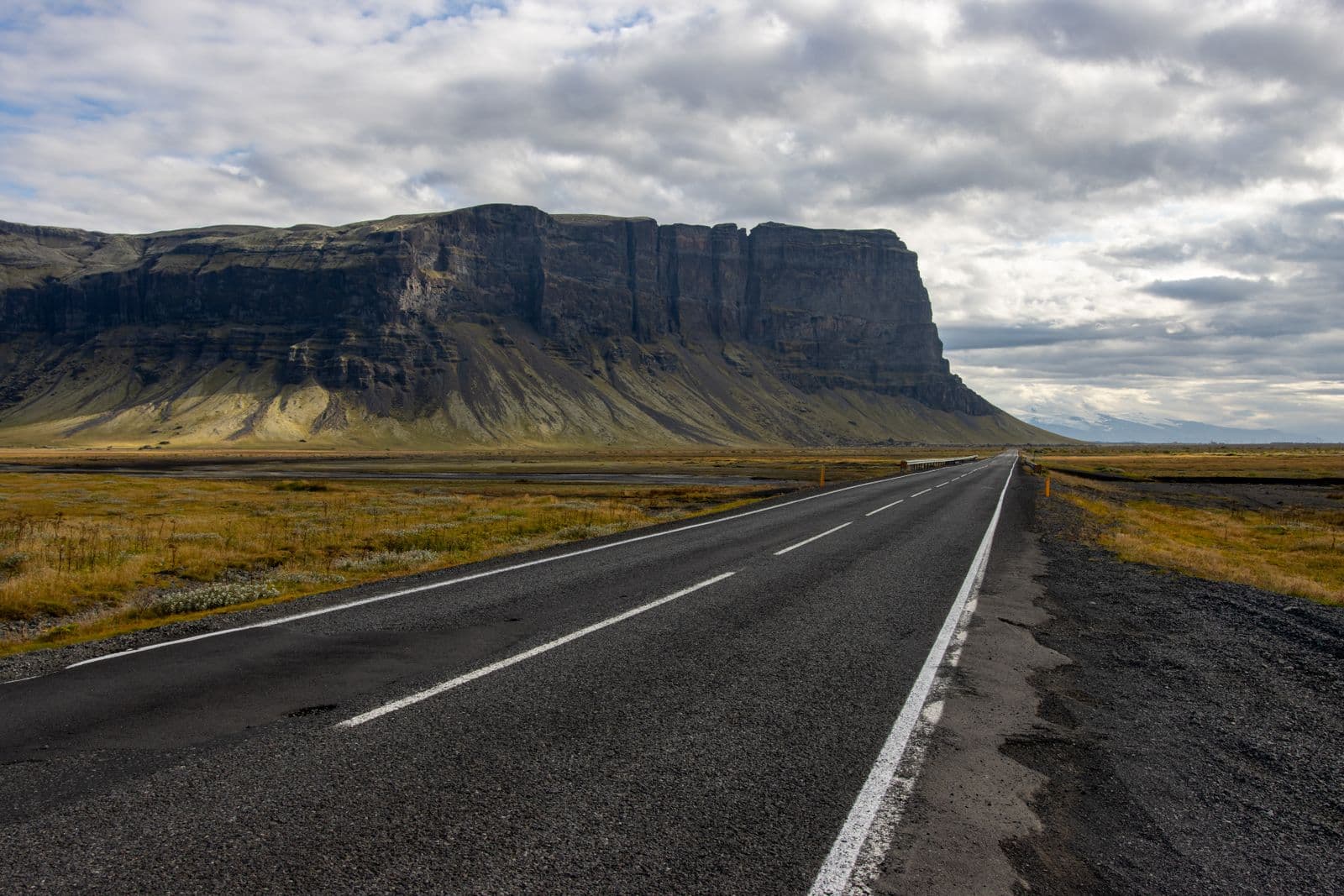
Route 1 (the Ring Road) is a two-lane paved highway that circles the entire island. There are no river crossings, no loose rock tracks, no parts that require raised clearance. A standard front-wheel-drive economy car can complete the full loop in summer without any drama.
The confusion comes from conflating the Ring Road with F-roads and Highland tracks, which are a very different category of road entirely — and which are not part of Route 1.
Summer (June–September): a compact SUV is the right call
In summer, the ring road is in good condition and the weather is generally mild. You do not need a 4×4. What you do benefit from is a little extra ground clearance — not for the main road, but for the gravel car parks, unpaved side tracks, and approach roads that lead to the most popular waterfalls and viewpoints.
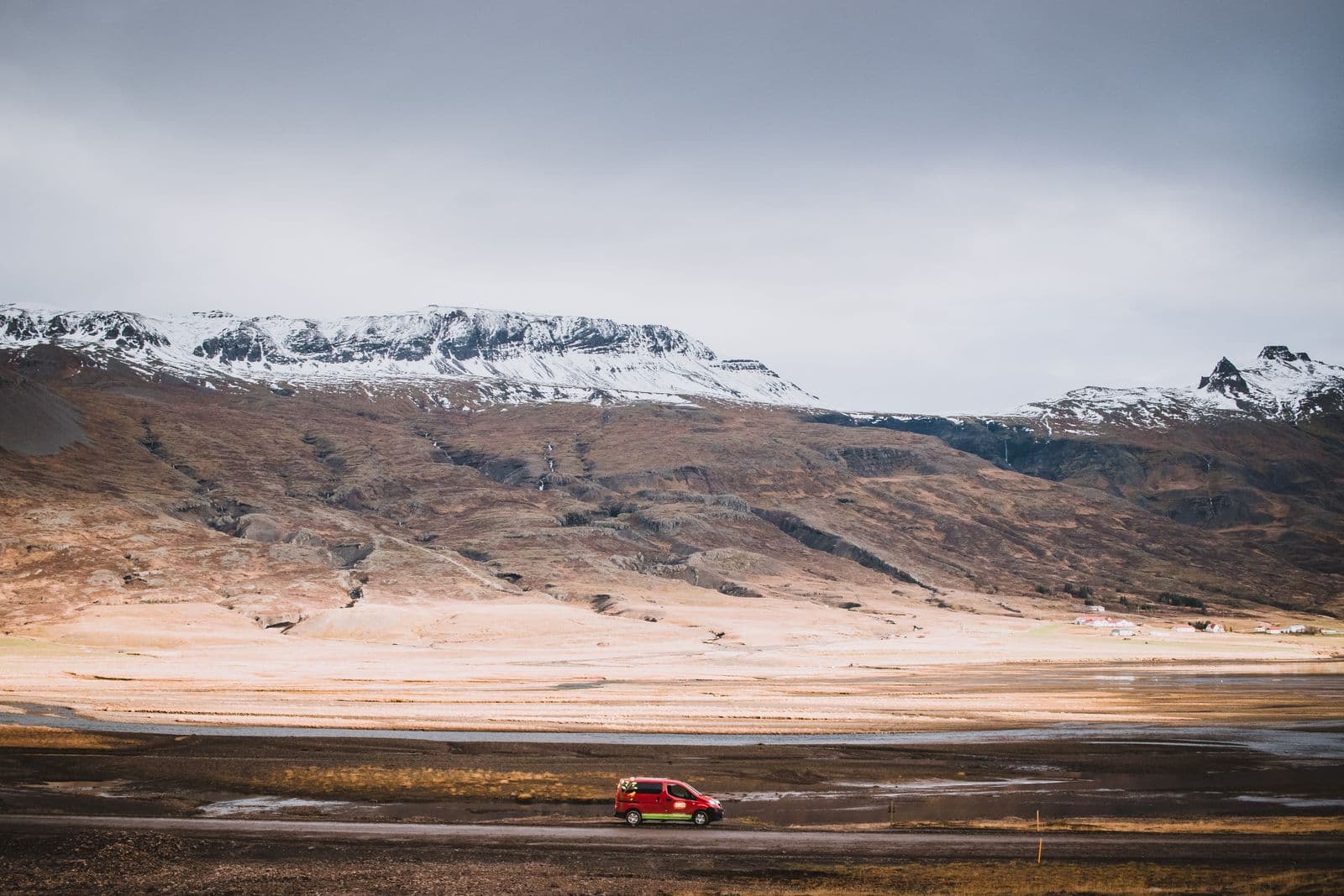
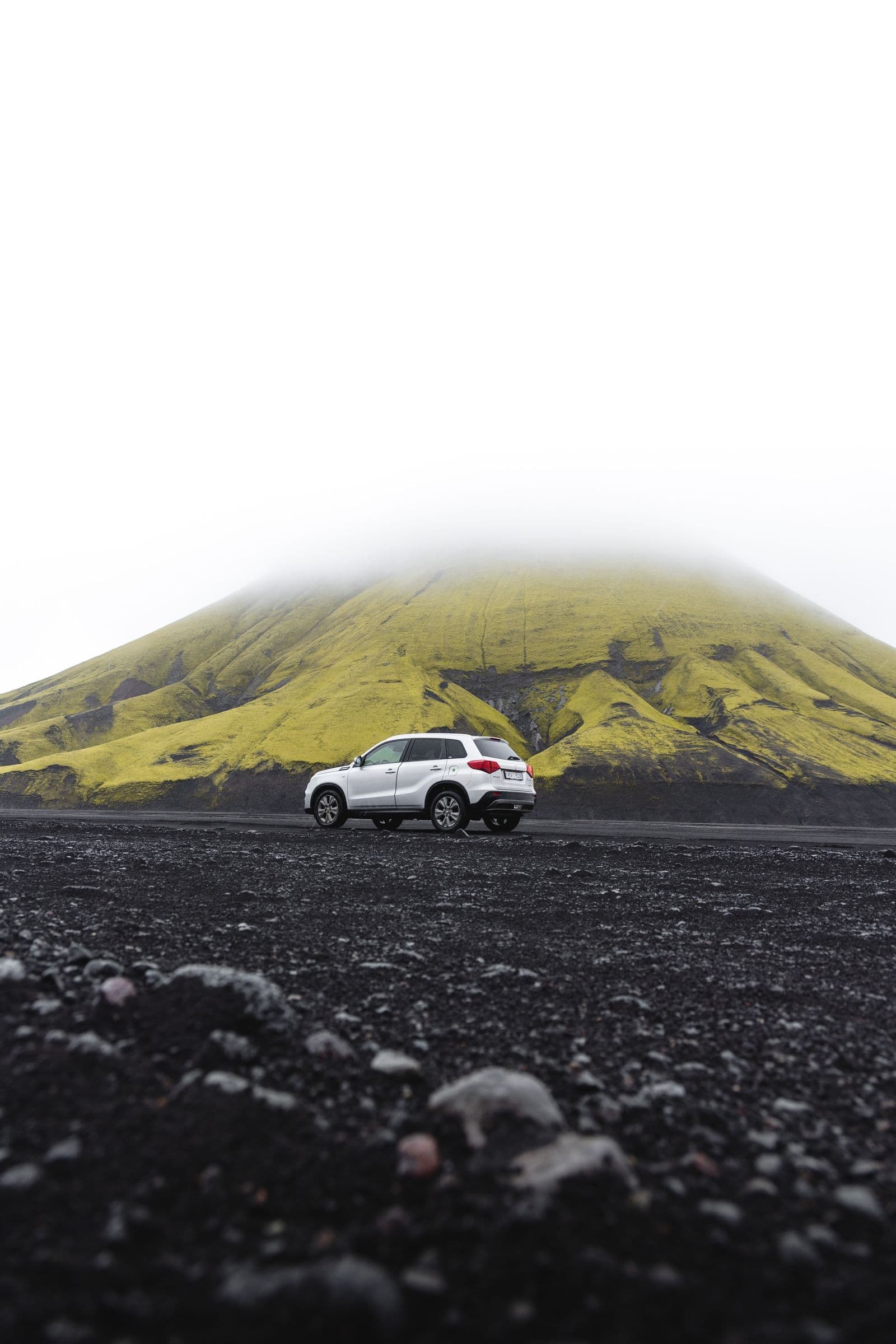
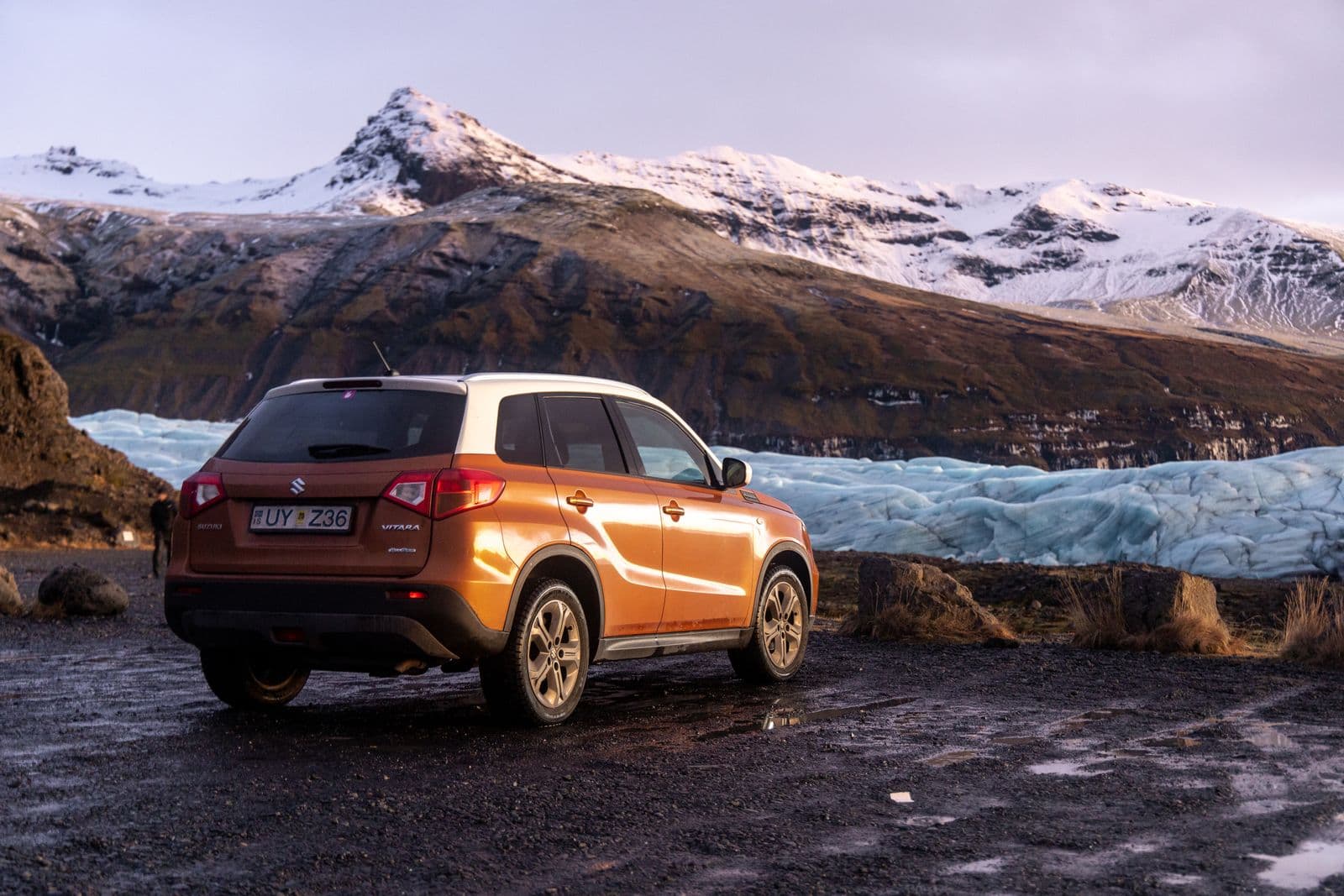
A compact SUV hits the sweet spot: more clearance than an economy car, still fuel-efficient and easy to park, with AWD on models like the Dacia Duster or Toyota RAV4. If you are travelling solo or as a couple and packing light, an economy car is genuinely fine for the Ring Road — it will just need more care on rough car parks.
Larger groups (5+ people) or anyone hauling camping gear should look at our 7–9 seat van. Vans sit lower and are front-wheel drive, so they are not ideal for rough tracks — but for the Ring Road with luggage, they make more sense than squeezing everyone into a small SUV.
Winter (October–April): AWD and winter tyres are not optional
Iceland's weather changes fast. Even a clear morning in November can turn into ice, blowing snow, and poor visibility within hours. In winter, you want AWD plus winter (studded) tyres as a minimum. Front-wheel drive on summer tyres is a risk not worth taking.
Our compact SUV category includes AWD models and winter tyres are fitted to the fleet from approximately November through to mid-April. If you are visiting in the shoulder months, confirm with us what rubber is on the car at the time of your pickup.
Even with the right car, winter driving in Iceland demands respect: check road.is for closures every morning, drive to the conditions rather than the speed limit, and give yourself longer days. Some sections of Route 1 close in severe weather.
F-roads: a different category entirely
F-roads are the unpaved Highland tracks that cross Iceland's interior — the Kjölur route (F35), Landmannalaugar (F225), and others. They are rough, remote, often involve river crossings, and are only open in summer (roughly July–September, and sometimes later or shorter depending on the year). They are not part of the Ring Road.
Critically: F-road permission depends on the vehicle, road status, and rental terms. With Ring Road Cars, using a non-approved car on an F-road, driving closed roads, or driving through water can leave you personally liable for the repair or recovery cost, regardless of what protection you purchased. The vehicle exclusion does not mean you are uninsured as a driver.
If you genuinely want to do the Highlands, rent our large 4×4 — it has the clearance, the low-range transfer case, and the right setup for that kind of terrain. And still be careful: river levels vary dramatically and experienced drivers get stuck. Read more about what our insurance covers (and what it excludes) on our insurance page and the how damage works page.
Quick guide: which car for what trip
Which car for which route?
A quick reference before you choose your car type.
| Route | Everyday | Comfort | 4×4 Adventure | Family & Space |
|---|---|---|---|---|
| Reykjavík & Golden Circle | Fine | Ideal | Fine | Fine |
| Full Ring Road (Route 1) — summer | Fine | Ideal | Fine | OK for groups |
| Gravel side-roads | With care | Good | Good | With care |
| Winter Ring Road (Oct–Apr) | Risky — AWD better | AWD + winter tyres | Best choice | With care |
| Highland F-roads | Not permitted | Not permitted | 4×4 only | Not permitted |
Reykjavík & Golden Circle
Everyday
Fine
Comfort
Ideal
4×4 Adventure
Fine
Family & Space
Fine
Full Ring Road (Route 1) — summer
Everyday
Fine
Comfort
Ideal
4×4 Adventure
Fine
Family & Space
OK for groups
Gravel side-roads
Everyday
With care
Comfort
Good
4×4 Adventure
Good
Family & Space
With care
Winter Ring Road (Oct–Apr)
Everyday
Risky — AWD better
Comfort
AWD + winter tyres
4×4 Adventure
Best choice
Family & Space
With care
Highland F-roads
Everyday
Not permitted
Comfort
Not permitted
4×4 Adventure
4×4 only
Family & Space
Not permitted
With Ring Road Cars, river and water crossings are not covered on any vehicle or cover tier.
| Scenario | Recommended |
|---|---|
| Summer Ring Road, 2 people | Economy or Comfort |
| Summer Ring Road, 4–5 people with luggage | Comfort |
| Group of 6–9 people | 7–9 seat van |
| Winter Ring Road | Comfort (AWD) |
| F-roads / Highland interior | Large 4×4 only |
See our full fleet
Compare categories, see example models, and request a quote for your dates.
Common questions
Can I drive the Ring Road in a 2WD car?
Yes, in summer (roughly June to September). Route 1 is fully paved and a standard front-wheel-drive economy car handles it fine in good conditions. If you are visiting in autumn or any time from October onwards, you want AWD and winter tyres at minimum.
What is the difference between AWD and 4×4 in Iceland?
AWD (all-wheel drive) distributes power continuously to all four wheels and handles snow, gravel, and slippery roads well. A 4×4 with high/low range and real ground clearance goes further — it is built for river crossings and steep Highland tracks. For the Ring Road, AWD is plenty. For F-roads, you need a proper 4×4.
Are F-roads included in our rental insurance?
F-road permission depends on the vehicle and current road status. With Ring Road Cars, only approved 4×4 vehicles may use open, marked F-roads. Using a non-approved car, driving closed roads, or driving through water can leave you liable for repair or recovery costs.
When do winter tyres go on in Iceland?
Icelandic rental fleets typically fit winter (studded) tyres from around November 1 and keep them on until mid-April, though this varies by operator. If you are visiting in the shoulder months — October or April — ask specifically whether your car will have winter rubber.
Does a compact SUV have enough clearance for gravel roads?
For most tourist roads, gravel car parks, and the kind of side tracks that appear on Google Maps as normal roads — yes. A compact SUV sits a bit higher than a hatchback and handles rough car parks fine. It will not cope with deep river crossings or the rocky Highland F-roads, but those are not on the Ring Road.
Deep-dive guides
Last updated: 25 June 2026