The Iceland Ring Road itinerary (7–10 days)
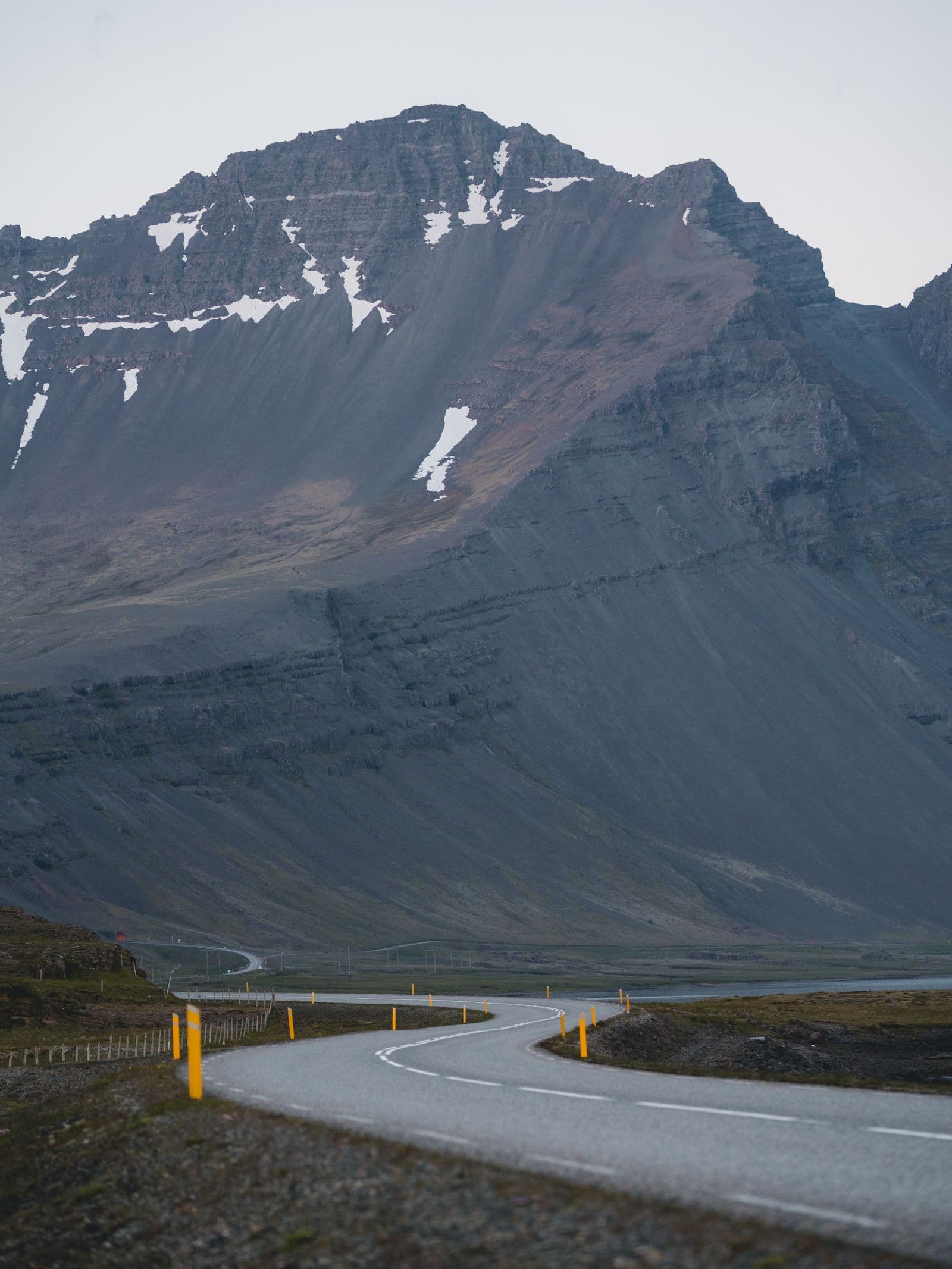
Iceland's Route 1 — the Ring Road — loops 1,322 km around the entire island. It is one of the world's great road trips: two-lane tarmac, volcanic scenery, and almost no traffic once you leave the capital area. This guide lays out a practical day-by-day route for 7 to 10 days, starting and finishing at Keflavík International Airport.
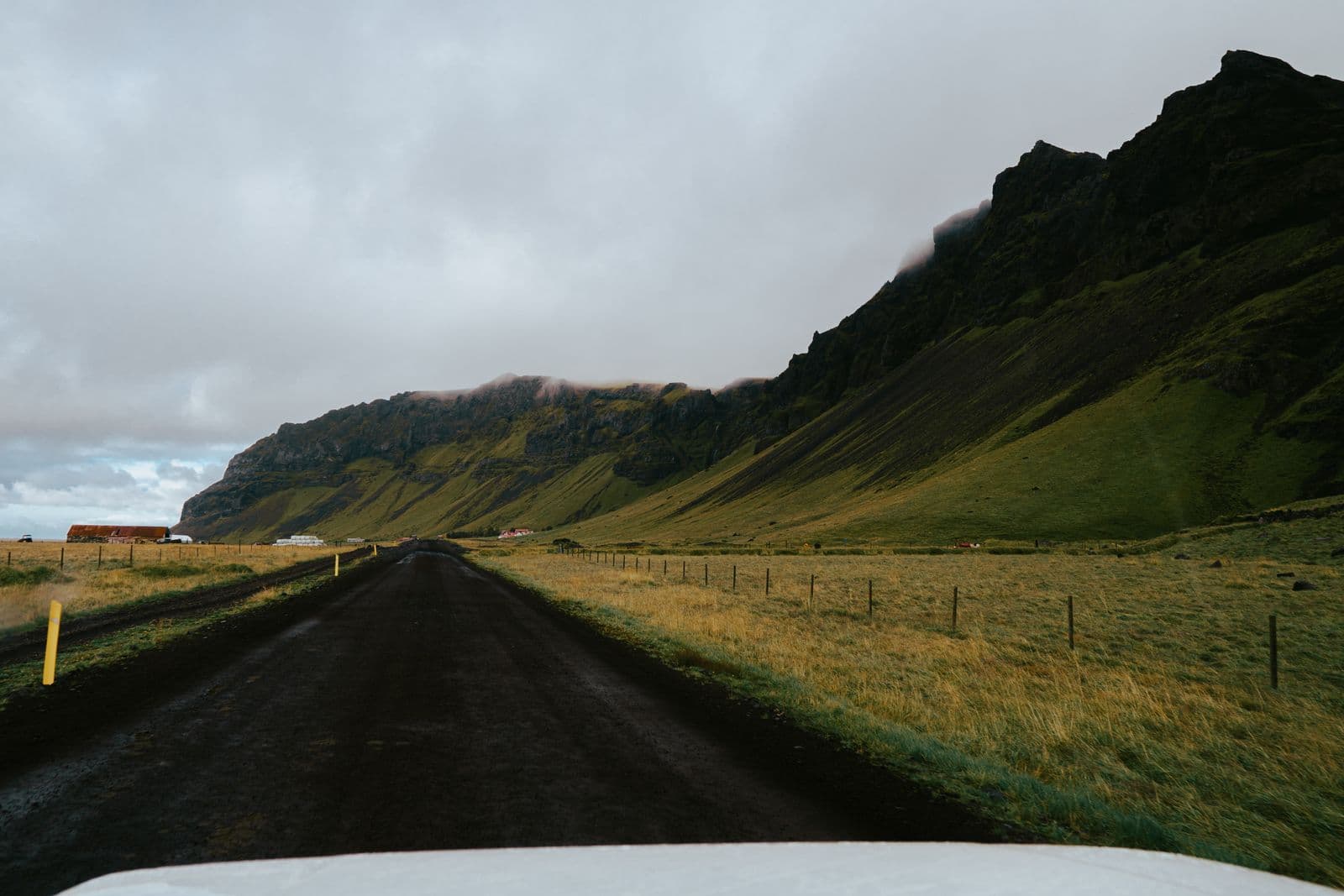
Best seasons
June–August is the most popular window: roads are fully open, temperatures are mild (10–15 °C), and daylight lasts nearly around the clock in June. Wildflowers, lupins, and lambs everywhere.
September brings autumn colours, fewer tourists, and the first serious Northern Lights chances after the long bright nights fade. Still warm enough for comfortable driving.
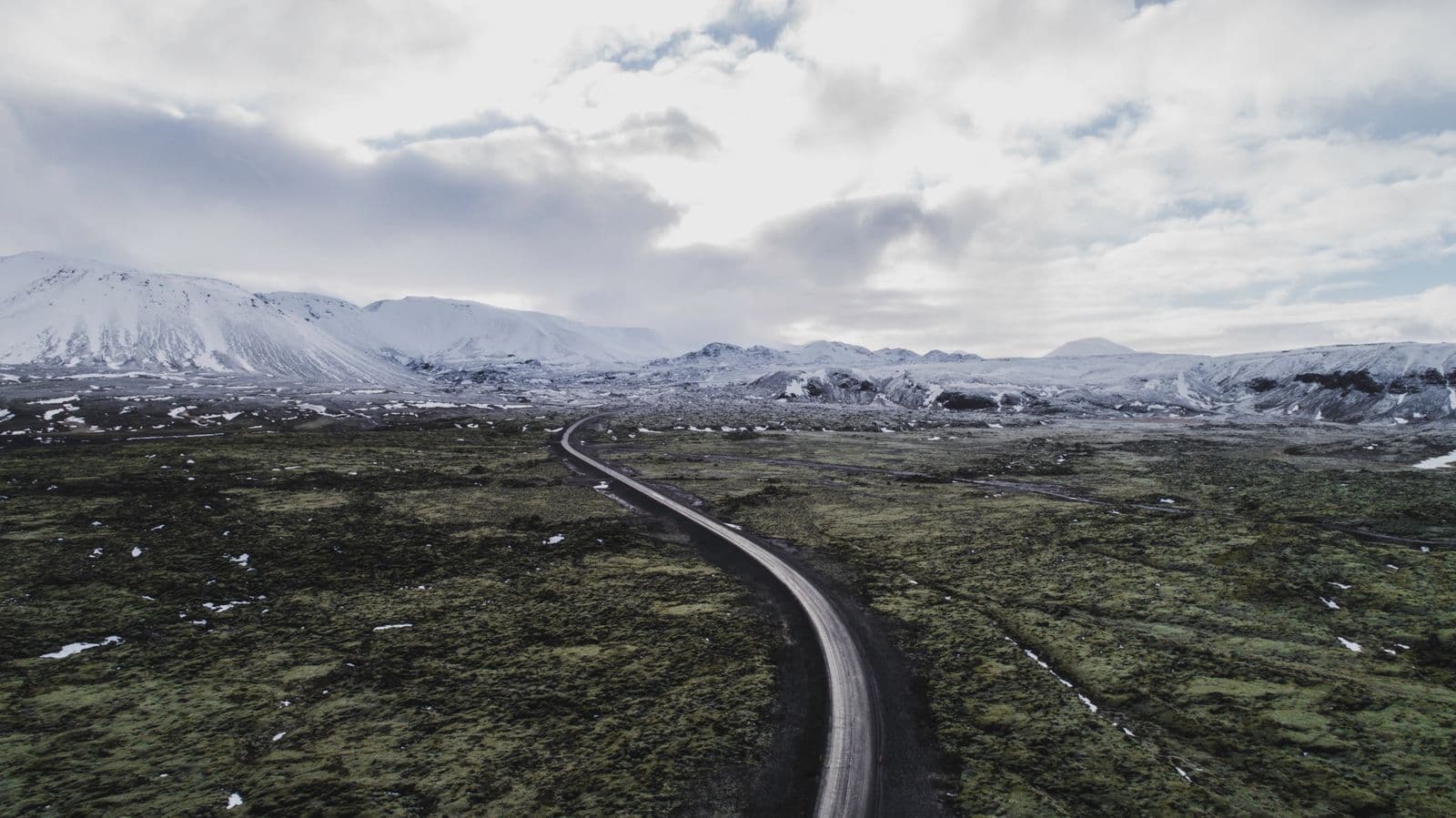
October–April means snow, ice, and potential road closures — including sections of Route 1 itself in severe weather. It is doable with an AWD car, winter tyres, and genuine cold-weather driving experience, but plan for shorter daily distances and always check road.is before setting out.
Day-by-day highlights
The route below goes clockwise (the most common direction, so you are on the easier side of single-lane bridges and passing places). Daily driving distances are approximate and depend on how many stops you make.
Day 1 — Keflavík to Reykjavík + Golden Circle (150 km)
Pick up your car at Keflavík Airport and head into Reykjavík to get your bearings. The following morning, do the Golden Circle: Þingvellir National Park (where the North American and Eurasian tectonic plates meet above ground), the Geysir geothermal area (Strokkur erupts every 5–10 minutes), and Gullfoss waterfall. This loop takes most of the day. Overnight in the Selfoss or South Iceland area puts you in a good position for day two.
Day 2 — South Coast: waterfalls and black sand (120 km)
The South Coast is Iceland at its most photogenic. Stop at Seljalandsfoss — you can walk behind this one — and Skógafoss, which has a staircase to a viewpoint above the falls. Continue to Reynisfjara, the famous black sand beach near Vík. The basalt columns and sea stacks (Reynisdrangar) are striking, but the sneaker waves here are genuinely dangerous — stay well back from the water's edge.
Day 3 — Vík to Jökulsárlón glacier lagoon (200 km)
Drive east through the long flat stretch under Mýrdalsjökull and Vatnajökull glaciers. The landscape is bleak and otherworldly in a way that photographs cannot fully capture. Your destination is Jökulsárlón, the glacier lagoon where icebergs calve from the Breiðamerkurjökull glacier and drift slowly to sea. Just across the road is Diamond Beach, where ice chunks wash ashore and glitter on the black sand. Give yourself at least two hours here.
Day 4 — East Fjords (200 km)
The East Fjords are where the Ring Road earns its keep as a driving route rather than a highlight reel. The road winds in and out of deep fjords, past fishing villages, and along cliffs dropping straight to the sea. Djúpivogur and Seyðisfjörður (a short detour off Route 1 — worth it for the colourful wooden houses and waterfall backdrop) are the standout stops. This is also reindeer territory; keep your eyes on the road edges.
Day 5 — Mývatn and Goðafoss (180 km)
Lake Mývatn is a geothermal hub: pseudo-craters at Skútustaðagígar, the lava formations of Dimmuborgir, and the Krafla volcanic area nearby. The Mývatn Nature Baths are a quieter alternative to the Blue Lagoon. On the way, stop at Goðafoss (the Waterfall of the Gods), one of Iceland's widest falls and historically the site where Iceland's conversion to Christianity was marked in the year 1000 by throwing Norse idols into the water.
Day 6 — Akureyri and the north (80 km)
Akureyri is Iceland's second city — though “city” is generous for a town of around 20,000 people. It is a welcome change of pace: good restaurants, an excellent botanical garden (the world's most northerly, improbably lush), and a useful rest day before the long drive west. The Tröllaskagi peninsula to the east offers fjord scenery if you have a spare afternoon.
Day 7 — Akureyri back to Reykjavík (380 km or split over two days)
The drive from Akureyri back to Reykjavík via the west coast is the longest stretch. Most people split it: one overnight in Varmahlíð or Blönduós, another near Borgarnes. Highlights include the Hvammstangi seal-watching area and the lava fields of the Snæfellsnes turnoff. If you have a day ten, the Snæfellsnes Peninsula is excellent — Snæfellsjökull glacier, Arnarstapi, and Kirkjufell mountain (the pointed peak from the Game of Thrones opening titles). Otherwise, press on to Reykjavík.
Renting the right car
For a summer Ring Road trip sticking to Route 1, a compact SUV is the practical choice: better ground clearance than an economy hatchback for gravel car parks and beach access roads, comfortable for long days behind the wheel, and fine on the paved highway. If you are travelling with more than four people or need luggage space for camping gear, consider our 7–9 seat van.
If you are planning to take any F-roads or Highland tracks — they are not part of Route 1, but some people add the Kjölur or Landmannalaugar routes — you need a proper 4×4 with high clearance. F-roads are summer-only and require river crossings in some cases. Check our car choice guide for the full breakdown, and our fleet page to compare categories.
Ready to plan your trip?
Send your dates, route, and preferred car class so we can confirm availability and final price.
Request a quoteCommon questions
How long does it take to drive the full Ring Road?
The Ring Road (Route 1) is about 1,322 km. Most people take 7–10 days to drive it comfortably, allowing time for stops. Seven days is tight but doable; ten days lets you breathe and explore side roads.
What is the best time of year to drive the Ring Road?
June to August gives the most accessible roads, long daylight hours (nearly 24 hours in June), and the best chance of all roads being open. September is quieter and still fine. October through April brings real winter conditions — ice, snow, and some road closures — which requires an AWD car and winter driving experience.
Do I need a 4×4 for the Ring Road?
Route 1 itself is fully paved, so a compact SUV or even an economy car is fine in summer. A 4×4 is only needed if you plan to take F-roads (Highland tracks), which are not part of the Ring Road. See our car guide for the full breakdown.
Can I include the Snæfellsnes Peninsula in a Ring Road trip?
Yes, but it adds roughly two days. You can tack it on at the start (day 1 from Keflavík) or the end (loop back via the west before returning to Keflavík). It is worth it: Snæfellsjökull glacier, Arnarstapi, and Kirkjufell are among Iceland's most striking landscapes.